

Get our free newsletter about Italy, travel and style. Get updates, news and articles straight to your inbox. Subscribe.
Picture a stone terrace overlooking Lake Como, church bells drifting across the water, and a wedding gown that needs to look beautiful through the heat, cobblestones and a very long lunch. Italy is one of the most romantic places on earth to marry, but dressing for an Italian wedding comes with its own considerations.
The key is to balance elegance with practicality. From choosing the right fabric to finding a silhouette that suits your venue, thoughtful details can make all the difference in creating a bridal look that feels as beautiful as the setting.
In this article
How Your Italian Wedding Venue And Ceremony Influence Your Dress
Your venue shapes your look more than any mood board. A lakeside villa invites flowing skirts and a train that bustles beautifully. A Tuscan hilltop estate means gravel, grass and uneven stone, so avoid anything that drags. Positano and other Amalfi Coast towns are famous for steps and steep lanes, which makes a lighter skirt and a shorter train practical as well as pretty. Ask your venue about steps, lift access and walking distances before you fall in love with a dramatic sweep.
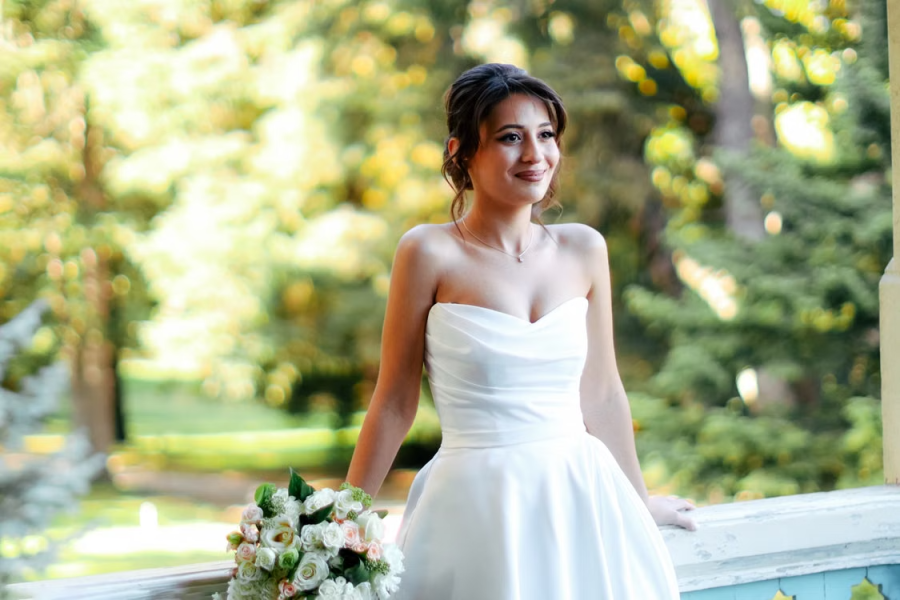
Next, consider whether the ceremony is religious. Italian Catholic churches generally expect shoulders and knees to be covered, so a strapless gown needs a plan. A wrap, bolero or sheer cape solves it elegantly and comes off for the party. Civil and symbolic ceremonies are far more relaxed about necklines, so confirm the rules with your planner early.

How Italy's Seasons And Climate Affect Your Wedding Dress
Italy is not one climate. Summer heat can be punishing in the south, while the lakes and the north feel gentler, and evenings turn cool quickly in spring and autumn. May, June and September suit many couples, with warm days and more forgiving temperatures. If you marry in July or August, choose breathable layers and remember that older venues may not be air conditioned.
Schedule your final fitting wearing the shoes and underpinnings you will actually use. This helps ensure your gown feels comfortable and fits as intended on the wedding day.
Choosing The Right Wedding Dress Fabric For An Italian Wedding
Heavy satin photographs magnificently and feels like a duvet at noon. Chiffon, soft crepe, and airy tulle move with the breeze and look luminous outdoors. Mikado, a smooth and substantial weave, holds sculpted lines and suits cooler months or grand interiors. Lace adds romance, but look for fine, breathable versions rather than dense overlays.
When considering fabrics, keep these qualities in mind:
- Chiffon: Lightweight and flowing, making it suitable for warm weather ceremonies and outdoor settings.
- Soft crepe: Offers a smooth finish and works beautifully for understated bridal looks.
- Airy tulle: Adds softness and movement without relying on heavy fabric.
- Mikado: Holds structured shapes and works particularly well for grand interiors or cooler weather.
- Fine lace: Brings a romantic touch while offering a lighter alternative to dense overlays.
Silk blends and natural fibers breathe better than heavy synthetics, which matters when the photographer asks for one more portrait in full sun. When choosing a dress, ask how it travels. Some fabrics crease badly on a flight, so book a professional steaming on arrival.
Which Wedding Dress Silhouette Works Best For Your Italian Wedding Setting?
Every silhouette has a personality, and Italy will ask yours to work hard. The right choice should complement your venue while allowing you to move comfortably throughout the celebration. Here is how different silhouettes work for an Italian wedding:
- A-line: A fluid A-line gown gives you room to climb steps, walk through gardens, and dance until midnight.
- Column and sheath: These streamlined shapes feel modern against ancient stone and suit brides who prefer a more understated look.
- Mermaid and trumpet: Both silhouettes deliver drama for a formal villa or cathedral. However, test whether you can comfortably sit, climb stairs, and move around in your gown.
- Ball gown: Ideal for grand settings, ball gowns create a striking entrance. However, their volume, combined with wind and cobblestones, calls for a well planned bustle.
When exploring different styles, filtering a designer collection of wedding dresses by silhouette, neckline and fabric is a practical way to build a shortlist before your first appointment.
When choosing the silhouette, consider how the skirt will move outdoors and whether the train can be comfortably managed throughout the celebration.
How To Choose Wedding Accessories For An Italian Celebration
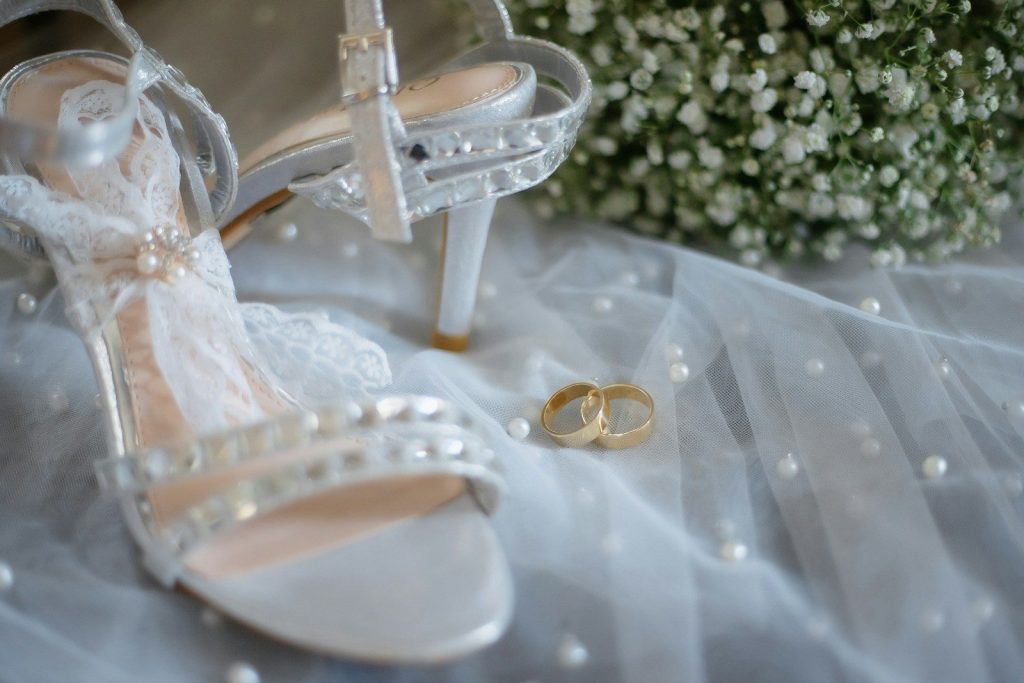
Italian style prizes understatement, and accessories are where that shows. Choose shoes you can genuinely walk in. Block heels, wedges, and elegant flats handle cobblestones, while stilettos sink into gravel. Wind is real, so consider a lighter veil, or save a cathedral length veil for the church. Let your neckline guide your jewelry, and a delicate piece of heirloom gold or pearls suits the setting beautifully.
Pack a few practical essentials for the day:
- A shawl or wrap for the church ceremony.
- A second pair of shoes for dancing.
- A small emergency kit for last minute adjustments.
- A detachable skirt or shorter dress if you want a different look for the reception.
A reception look, such as a detachable skirt or a shorter dress, keeps you comfortable once the party starts.
Let Your Personal Style Lead
Italian elegance has never been about excess. It is about proportion, quality and ease. Choose the gown that suits the place, the season and the way you want to feel when you walk in, then let the setting do the rest.
Whether you love clean minimalism or lace and drama, the best wedding dresses for Italy look composed when the wind picks up and the lunch runs long.
Discover more from MilanoStyle.com
Subscribe to get the latest posts sent to your email.