
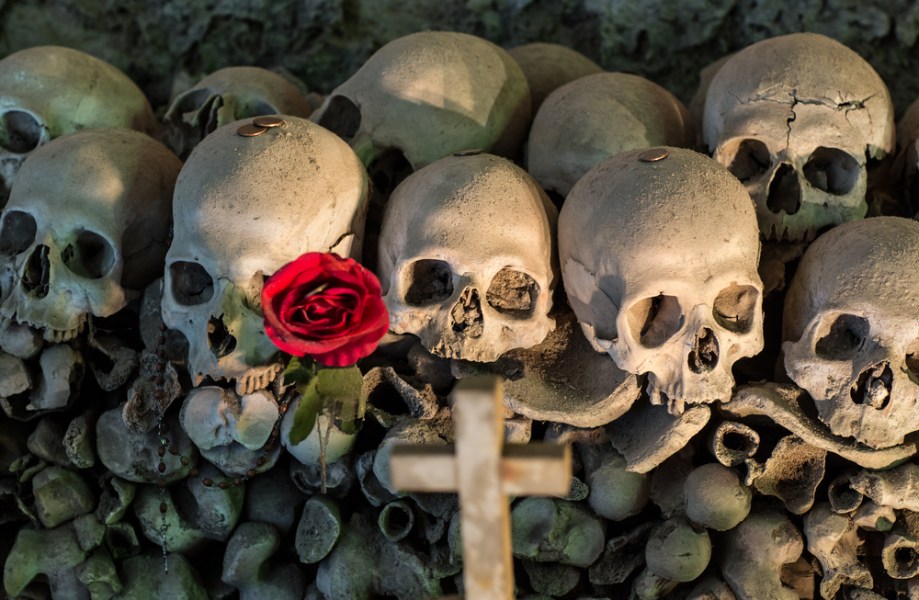
Not a Halloween display, the anime pezzentelle are a part of everyday life and tradition in Naples.
In the churches and ossuaries of Naples, an unusual tradition brings together faith, folklore and a deeply human desire to be remembered.
A skull resting on an embroidered cushion. Another draped in a bridal veil. Flowers, rosaries and handwritten requests placed beside remains whose names have long been lost. In Naples, the relationship between the living and the dead can be unexpectedly intimate.
These gestures belong to the tradition of the anime pezzentelle: anonymous souls adopted by the living, cared for through prayer and represented by the skulls they have left behind. Rooted in Catholic devotion and shaped by local folklore, the custom reveals a side of Naples where compassion, superstition, and everyday hopes meet.
——————-
You’re currently reading as a free subscriber. For the cost of a monthly cappuccino + brioche, you’ll unlock the full MilanoStyle experience — event updates and invitations, travel inspiration, editorials, and the MilanoStyle Magazine. MilanoStyle is an independent publication. Subscriptions help support the insider information our creative team brings to you.
——— Continue reading ———
A soul to remember
In popular belief, the anime pezzentelle are abandoned souls awaiting release from Purgatory. Many are associated with people buried in communal graves, without relatives to mourn them or offer prayers on their behalf.
Adopting a skull, known in Neapolitan as a capuzzella, created a personal bond with one of these souls. The devotee would clean it, arrange it on a cushion and give it a place in a niche or protective case. A person whose identity had disappeared could, through these small acts of care, become part of a family again.
The prayers offered were intended to bring refrisco, relief from the soul’s suffering in Purgatory. In return, the living asked for assistance with their own troubles. Sometimes those requests were spiritual; sometimes they were decidedly practical, extending even to numbers to play in the lottery.

A tradition shaped by loss
The custom developed within a city repeatedly marked by poverty, epidemics, and collective grief. The devastating plague of 1656 and the cholera outbreaks of the nineteenth century left vast numbers of dead, many destined for communal burial.
At the Fontanelle Cemetery, a former tuff quarry in the Rione Sanità, the remains of epidemic victims accumulated alongside those of people who could not afford an individual burial. In 1872, the priest Don Gaetano Barbati, assisted by women from the neighbourhood, helped organise the bones.
The devotion was particularly strong in the periods following the two world wars. Caring for an anonymous soul offered a way to express grief and seek consolation through a relationship that made the dead feel close.
Where the stories live
Three places offer a particularly evocative introduction to this tradition: Santa Maria delle Anime del Purgatorio ad Arco, Santa Luciella ai Librai and the Fontanelle Cemetery.
On Via dei Tribunali, beneath the church of Santa Maria delle Anime del Purgatorio ad Arco, the skull known as Lucia wears a bridal veil and a crown. In one version of her story, she was a young princess who died shortly after her wedding. Her identity remains uncertain, but popular devotion has made her a protector of brides, approached with prayers about love and marriage.
At Santa Luciella ai Librai, near San Gregorio Armeno, another skull has acquired an unusual distinction: it appears to have ears. Its striking shape inspired the belief that it could hear prayers especially well, making it a privileged intermediary between this world and the next. The wish to be heard gives this curious figure a touching familiarity.
The Fontanelle Cemetery is the most expansive of these settings, its cavernous interior holding tens of thousands of human remains. Among the largely anonymous dead are the identified remains of Filippo Carafa, Count of Cerreto, and Donna Margherita Petrucci, preserved in glass-covered coffins. Margherita’s open mouth gave rise to the story that she died choking on a gnocco.
The cemetery’s most famous skull, however, belongs to the figure known as Il Capitano, the Captain. Several legends surround him. In one, a young man desecrates the cemetery and mocks the Captain’s warning, challenging him to attend his wedding. Years later, a mysterious guest dressed in black arrives at the celebration. Revealing himself as the Captain, he delivers a fatal handshake to the newlyweds.
Such tales, passed from one generation to the next, gave personalities to the nameless dead. They could be confidants, protectors or, as the Captain’s story suggests, figures whose dignity was challenged at one’s peril.

An enduring conversation
The practice drew opposition from the Catholic authorities. In 1969, Cardinal Corrado Ursi ordered the Fontanelle ossuary closed, concerned that devotion to anonymous remains had crossed into superstition.
Official disapproval, however, did not erase the attachment. At Purgatorio ad Arco, flowers, offerings and prayers continue to express a bond between the living and the souls they have taken into their care.
Perhaps the most moving way to understand the tradition is through those modest gestures: a cushion, a flower, a place carefully prepared. They suggest that even someone whose name has been forgotten can still be welcomed, listened to and remembered.
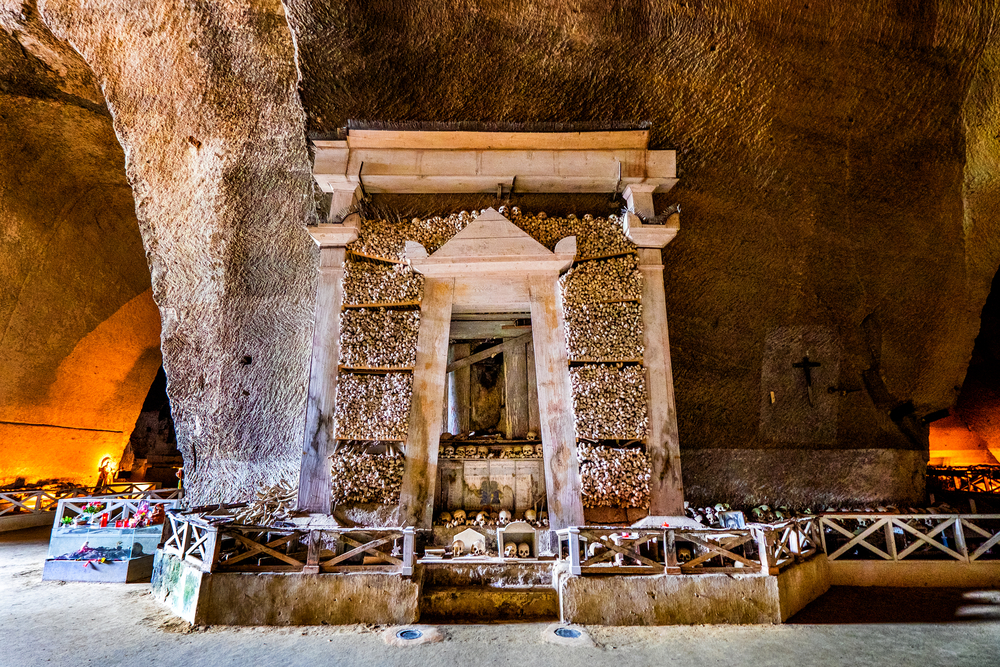
How to visit Fontanels Cemetery, Cimitero delle Fontanelle of Naples
To visit Fontanels cemetery, known as Cimitero delle Fontanelle in Naples, start by planning your visit during the cemetery's opening hours, typically from 9 AM to 5 PM. The cemetery is located in the Sanità district, making it easily accessible via public transportation; you can take the metro to Materdei station and then walk. Be prepared for a steep walk, as the cemetery is set on a hillside. Upon arrival, you will encounter a unique and atmospheric site filled with ossuaries and a rich history of the cult of the dead. Consider joining a guided tour to gain deeper insights into its significance and the intriguing stories behind the remains housed there. Remember to be respectful and maintain a solemn demeanor, as it is a place of remembrance.
Discover more from MilanoStyle.com
Subscribe to get the latest posts sent to your email.