

Italy, a country celebrated for its artistic brilliance, culinary delights, and timeless landscapes, is a living museum of human history. From the grandeur of its ancient ruins to the serenity of its rolling vineyards, Italy invites travelers to experience a culture steeped in tradition, passion, and creativity. Every corner of this Mediterranean gem tells a story, reflecting centuries of heritage interwoven with the rhythms of modern life.
The Legacy of Ancient Civilizations
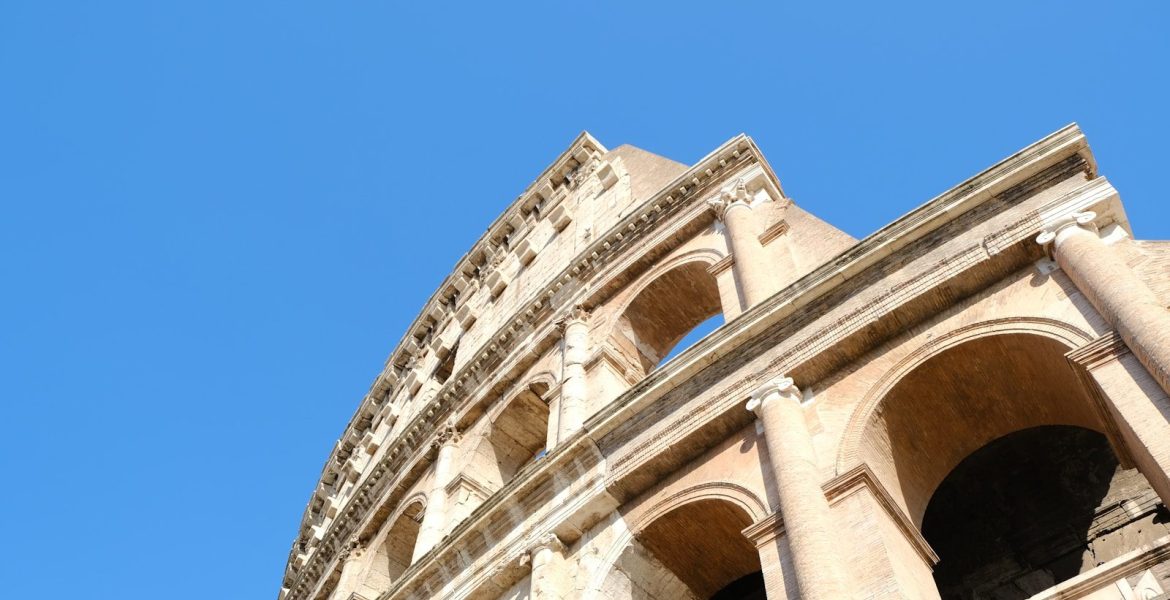
Italy’s cultural narrative begins with the mighty Roman Empire. Rome, often called the Eternal City, remains a testament to architectural ingenuity and political influence. Visitors can marvel at the Colosseum, the iconic amphitheater that once hosted gladiatorial contests and public spectacles. Walking through its arched corridors, one can almost hear echoes of the past, imagining the fervor of the crowds cheering under the Mediterranean sun.
The Roman Forum, another monumental relic, reveals the heart of ancient political and social life. Temples, basilicas, and public spaces offer insight into the civic rituals that shaped Western civilization. Beyond Rome, the ruins of Pompeii provide an intimate glimpse into daily life frozen in time, preserved by the catastrophic eruption of Mount Vesuvius in 79 AD. Wandering its streets, visitors encounter the remarkably preserved mosaics, frescoes, and even graffiti, which bring ancient society to life with vivid authenticity.

Renaissance Art and Architecture
While Rome chronicles power and empire, Florence, Venice, and Milan celebrate human creativity. The Renaissance, a cultural rebirth spanning the 14th to 17th centuries, found its home in Florence. Here, artists like Leonardo da Vinci and Michelangelo transformed art with unprecedented realism and emotional depth. The Uffizi Gallery houses masterpieces such as Botticelli’s The Birth of Venus, showcasing an era where beauty and intellect intertwined.
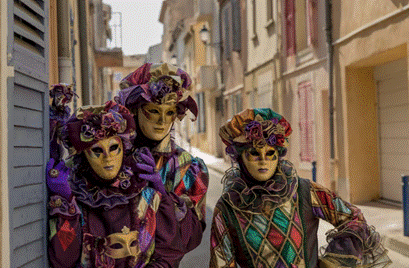
Venice, with its intricate canals and Gothic palaces, represents a different facet of Italian artistry. The Doge’s Palace and St. Mark’s Basilica reveal how religious devotion and political power shaped architectural elegance. Venice’s annual Carnival, with its opulent masks and vibrant costumes, further demonstrates the Italian flair for pageantry and storytelling, echoing centuries of tradition.
Milan, Italy’s fashion capital, highlights the contemporary side of Italian creativity. The Duomo di Milano, an awe-inspiring Gothic cathedral, symbolizes perseverance, artistic ambition, and spiritual devotion. Across Italy, cathedrals, basilicas, and museums collectively narrate the country’s ongoing dialogue between past and present.
Culinary Heritage: A Feast for the Senses
Italian culture is not confined to monuments and museums; it is a feast for the senses. Regional cuisines reflect local histories and landscapes. In Naples, the birthplace of pizza, a simple Margherita combines fresh mozzarella, tomatoes, and basil into an iconic culinary symbol. Tuscany, with its rolling hills, is renowned for rustic fare like ribollita and Chianti wines, which pair food and landscape in perfect harmony. The Italian approach to cooking emphasizes seasonality, fresh ingredients, and family tradition, making every meal a celebration of heritage.
Even in everyday markets, the vibrancy of Italian culture comes alive. Street vendors sell fragrant oranges, artisanal cheeses, and fragrant herbs, while bustling trattorias serve generations-old recipes. Many locals also explore herbal remedies, with some turning to natural ingredients like the crushed kratom leaf for wellness practices, showcasing Italy’s blend of tradition and modern holistic trends.
Festivals and Traditions
Italy’s calendar is dotted with festivals that blend religious devotion, local history, and exuberant celebration. Palio di Siena, a medieval horse race held twice a year in Siena, unites neighborhoods in spirited competition. Venice’s Carnival, as mentioned earlier, transforms the city into a stage of masks, music, and mystery. Meanwhile, regional harvest festivals honor the bounty of the land, from olive oil in Umbria to chestnuts in Piedmont.
These festivals are more than spectacle; they are living traditions that maintain social cohesion, celebrate community identity, and transmit cultural knowledge across generations. Participating in such events allows travelers to experience heritage not as observers but as participants in a vibrant, ongoing story.
Italy’s Natural Treasures
Italy’s cultural richness is mirrored by its natural beauty. The Amalfi Coast, with dramatic cliffs descending into azure waters, is both a visual masterpiece and a historical refuge where coastal towns preserve centuries-old architecture. The Dolomites offer a stark contrast with snow-capped peaks and lush valleys, inspiring generations of artists and poets. Italy’s lakes, from Como to Garda, provide serene retreats where history and leisure intertwine.
The countryside, often overlooked, is a repository of traditional lifestyles. Olive groves, vineyards, and artisan workshops thrive alongside historic villages. Here, one can find the slow, deliberate rhythms of life that have persisted for centuries, a gentle counterpoint to the hustle of modern cities.
Preserving Heritage in a Modern World
Italy faces the ongoing challenge of balancing preservation with innovation. Urbanization, tourism, and climate change pose risks to fragile cultural and natural sites. Organizations and local governments work tirelessly to protect monuments, promote sustainable tourism, and safeguard intangible heritage such as dialects, crafts, and culinary techniques. Educational programs ensure that younger generations appreciate their inheritance, fostering a culture of stewardship and respect for history.
The interplay of old and new is evident in contemporary Italian life. Modern art galleries, innovative architecture, and culinary experimentation coexist with centuries-old churches and piazzas. The enduring appeal of Italy lies in this dynamic—heritage and heart continually shaping and enriching one another.
Experiencing Italy Yourself
To truly understand Italy, one must immerse themselves in its rhythms. Wander cobblestone streets, linger in sunlit piazzas, and converse with locals who embody centuries of lived culture. Taste regional dishes, attend local festivals, and allow the stories embedded in every monument, painting, and landscape to unfold. Italy’s cultural treasures are not merely seen; they are felt, experienced, and remembered.
Whether marveling at the precision of Renaissance sculptures, sipping wine in a Tuscan villa, or listening to a gondolier’s song echo through Venetian canals, Italy offers a profound connection to the human spirit. Its legacy reminds us that culture is living, breathing, and constantly evolving—a treasure to explore, preserve, and celebrate.
Italy’s richness lies not only in its history but in the passionate engagement of its people with the past and the present. Heritage and heart are inseparable here, offering travelers a journey that transcends time. By embracing both the monumental and the intimate—from world-famous landmarks to local rituals, from classical art to the simple joys of food and community—Italy ensures that every visitor leaves with a lasting sense of wonder and belonging.
Discover more from MilanoStyle.com
Subscribe to get the latest posts sent to your email.
