

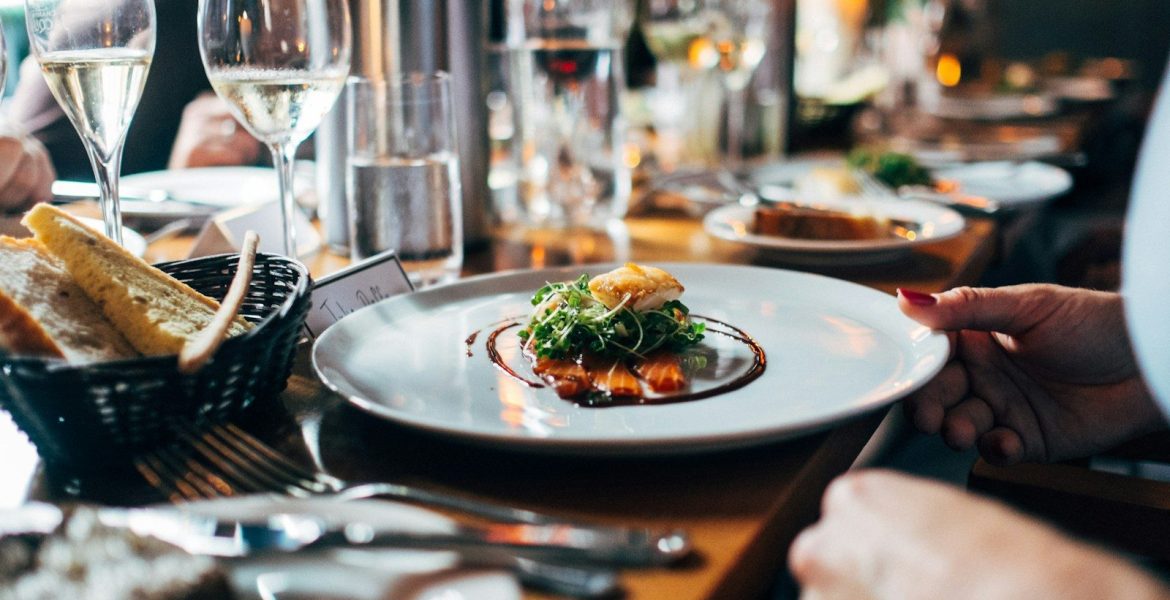
Italy is a country synonymous with culinary excellence. Its cuisine is a harmonious blend of history, geography, and culture, shaping flavors that have traveled across the globe. From the rustic charm of family-run trattorias to the contemporary elegance of modern eateries, Italy's culinary landscape has evolved dramatically over the centuries.
The Roots of Italian Cuisine
Italian food has its roots deeply embedded in the traditions of its regions. Northern Italy is renowned for its rich, butter-based dishes, creamy risottos, and delicate polenta. Cities like Milan and Turin showcase these influences, where dairy and rice dominate the menus. Conversely, Southern Italy thrives on olive oil, fresh vegetables, and vibrant seafood dishes. Sicily and Naples are perfect examples, with their citrus-infused recipes, sun-drenched tomatoes, and world-famous pizza.
Historically, Italian cuisine was born out of necessity. Families relied on seasonal ingredients, local produce, and preservation methods to survive. Simple dishes like minestrone, bruschetta, and pasta with tomato sauce reflect an era when meals were humble yet hearty, designed to nourish and comfort.
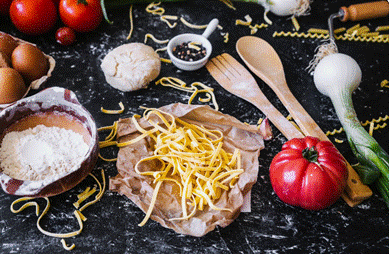
Trattorias: The Heart of Traditional Dining
For centuries, the trattoria has been a staple of Italian dining. These family-run establishments were known for their unpretentious approach to food. Meals were prepared with love, often using recipes passed down through generations. A trattoria's menu was typically small, featuring local specialties and daily fresh ingredients.
The charm of trattorias lay in their communal experience. Patrons weren’t just customers—they became part of the family, sharing tables, stories, and traditions. The focus was always on authenticity rather than spectacle. This emphasis on genuine flavors created a foundation upon which modern Italian cuisine could flourish.
The Renaissance of Italian Gastronomy
The 20th century marked a turning point for Italian culinary culture. Post-war economic growth and increased travel brought exposure to global influences, which began to reshape traditional cooking methods. Italian chefs started experimenting with presentation, fusion cuisine, and innovative techniques, blending heritage with modernity.
Italy’s culinary identity remained intact, but the way it was experienced evolved. Traditional recipes were reimagined for fine dining, and trattorias began to coexist with more sophisticated ristorantes. This era also saw the rise of Italian culinary schools, which nurtured generations of chefs who would later become ambassadors of Italian gastronomy worldwide.
The Modern Culinary Scene
Today, Italy is a canvas of culinary diversity. From the streets of Rome to the canals of Venice, diners can experience everything from centuries-old recipes to avant-garde dishes. Modern Italian cuisine celebrates seasonal ingredients while embracing global trends, creating a dynamic dining culture.
Food markets, pop-up eateries, and farm-to-table restaurants have become central to urban culinary life. Italy’s chefs now focus on sustainability, health-conscious menus, and ethical sourcing. Even casual dining has transformed, with artisanal pizzas, handcrafted pastas, and gourmet street food offering new dimensions of flavor.
Embracing Wellness in Cuisine
A notable trend in contemporary Italian dining is the integration of wellness and functional foods. Ingredients known for their health benefits are increasingly featured in menus, from antioxidant-rich vegetables to superfoods like quinoa and chia seeds. Even products like Kratom capsules have found a niche among certain wellness-focused communities in Italy, highlighting the growing intersection of traditional food culture with modern holistic lifestyles.
This shift demonstrates how Italian cuisine remains adaptable, honoring its roots while responding to contemporary health trends. Culinary innovation now encompasses not only taste but also well-being, reflecting a broader global consciousness about food as nourishment for both body and mind.

Regional Innovation and Global Influence
Italy’s regional diversity continues to drive culinary innovation. Tuscany’s truffles, Emilia-Romagna’s Parmigiano-Reggiano, and Liguria’s fresh pesto each contribute to a rich tapestry of flavors. Chefs increasingly reinterpret these local ingredients, offering modern takes that appeal to both domestic and international diners.
Italian cuisine’s global influence cannot be overstated. From New York to Tokyo, pasta, pizza, and gelato have become universal comfort foods. Yet, Italy manages to maintain authenticity, striking a balance between heritage and adaptation. Many contemporary chefs draw inspiration from abroad, introducing techniques from French, Japanese, or Middle Eastern cooking, yet the heart of Italian tradition—simplicity, seasonality, and freshness—remains the cornerstone.
The Role of Culinary Tourism
Italy’s transformation has also fueled a boom in culinary tourism. Visitors no longer just come to see landmarks—they come to taste them. Wine tours in Tuscany, cheese-making workshops in Parma, and cooking classes in Amalfi Coast villages allow travelers to experience Italian food culture firsthand. Trattorias and modern restaurants alike benefit from this influx, preserving local traditions while embracing innovation.
This tourism-driven exchange of ideas has further encouraged experimentation in Italian kitchens. Dishes once reserved for home-cooked meals are now presented in sophisticated formats, and chefs continually push boundaries to offer unique experiences. Italy’s culinary scene has become both a reflection of its past and a glimpse into the future.
From Trattoria to Trendy: The Culinary Continuum
The evolution from humble trattoria to trendy ristorante illustrates the resilience and adaptability of Italian cuisine. While the core principles—fresh ingredients, regional flavors, and family traditions—remain, the way Italians engage with food has expanded dramatically. Dining is no longer just about nourishment; it is an art form, a social experience, and an exploration of culture.
Italian chefs today stand at a crossroads of tradition and innovation. They honor the simplicity of the past while embracing creativity, global influence, and wellness-conscious practices. The journey from trattoria to trendy establishment is not just a physical transition but a reflection of the country’s evolving identity—dynamic, diverse, and eternally flavorful.
Conclusion
Italy’s culinary evolution is a testament to its rich history and openness to change. From rustic family trattorias to modern, trend-setting restaurants, Italian cuisine has retained its soul while adapting to contemporary tastes. Its regional diversity, global influence, and focus on wellness continue to shape the way Italians—and the world—experience food.
In every corner of Italy, the story of its cuisine unfolds: in the aroma of fresh basil, the crust of a perfectly baked pizza, or the presentation of a reinvented classic dish. Whether through time-honored recipes or modern culinary experimentation, Italy remains a beacon of gastronomy, proving that even as trends shift, authentic flavor and passion for food remain timeless.
Featured image Photo by Jay Wennington on Unsplash
Discover more from MilanoStyle.com
Subscribe to get the latest posts sent to your email.
