

Tucked away between Russia and China lies a land where nomadic traditions remain largely unchanged, where the horizon stretches endlessly across pristine steppes, and where authentic cultural experiences aren’t staged for tourists but simply part of everyday life. Mongolia has emerged as a dream destination for travelers seeking genuine connections and adventures that feel worlds away from typical tourist trails.
Living Among Nomadic Families
One of Mongolia’s most compelling draws is the opportunity to experience nomadic life firsthand. Unlike many destinations where cultural experiences feel commercialized, staying with herding families in their traditional gers offers an unfiltered glimpse into a lifestyle that has endured for centuries. You’ll wake to the smell of fresh milk tea, help tend livestock, and learn how families adapt to the rhythms of nature rather than fighting against them.

These homestays aren’t luxury accommodations, but that’s precisely the point. You’ll sleep on felt mats, use outdoor facilities, and eat simple but hearty meals. The authenticity of these experiences creates memories far more meaningful than any five-star resort could offer. Families welcome visitors with genuine warmth, sharing stories around the stove and teaching traditional skills like felt-making or dairy processing.
Landscapes That Time Forgot
Mongolia’s geography reads like a greatest hits collection of natural wonders. The Gobi Desert stretches across the south with its singing sand dunes and dramatic rock formations. Central Mongolia offers endless grasslands where wild horses still roam free. The northern regions feature pristine lakes and forests that rival any wilderness area on earth.
What makes these landscapes special isn’t just their beauty but their emptiness. You can travel for hours without seeing another vehicle or any sign of modern development. This sense of space and solitude has become increasingly rare in our crowded world, making Mongolia a refuge for those craving genuine wilderness experiences.
Festivals Rooted in Tradition
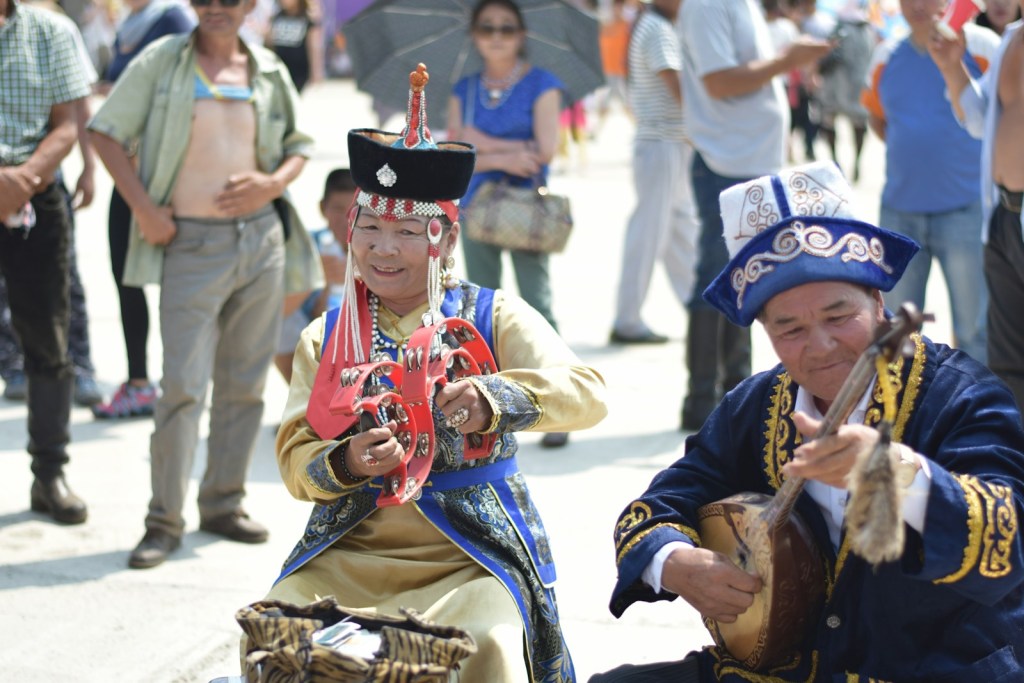
Mongolian festivals aren’t performances created for tourists but celebrations that locals genuinely anticipate all year. Naadam, the country’s most famous festival, showcases the “three manly games” of wrestling, horse racing, and archery. Watching children as young as five race horses across the steppe or witnessing wrestlers compete using techniques unchanged since Genghis Khan’s time connects you to living history.
Regional festivals throughout the year celebrate everything from eagle hunting to ice fishing. These events happen whether tourists show up or not, which gives them an authenticity that’s increasingly hard to find. Participating in these celebrations means joining genuine community gatherings rather than watching staged shows.
Adventures Beyond the Guidebook
Mongolia rewards adventurous spirits willing to venture off established routes. Whether you’re interested in Mongolia small group tours or independent travel, the country offers experiences that push you outside your comfort zone in the best possible ways. You might find yourself helping round up yaks, learning to ride a horse Mongolian-style without stirrups, or trying your hand at traditional archery.
The lack of infrastructure that might frustrate some travelers becomes part of the adventure for others. River crossings without bridges, navigating by landmarks rather than GPS, and adapting plans based on weather and conditions make each journey unique. This unpredictability creates stories you’ll tell for years.
Food That Tells a Story
Mongolian cuisine reflects the harsh climate and nomadic lifestyle perfectly. Meals center around meat and dairy because those are what the land provides. While the menu might seem limited compared to destinations with more culinary variety, there’s something profound about eating food that’s so directly connected to the environment and way of life.
Trying fermented mare’s milk, sampling mutton prepared dozens of different ways, and enjoying dairy products you’ve never heard of becomes a cultural education. Meals are communal affairs where food serves as a bridge between cultures and a starting point for conversation.

Genuine Human Connections
Perhaps what travelers love most about Mongolia is the people themselves. In a country where hospitality is both tradition and necessity, visitors are welcomed with an openness that feels increasingly rare. Language barriers exist, but they’re overcome through gestures, laughter, and shared experiences.
These connections happen naturally rather than through forced interactions. Whether you’re sharing tea with a herding family, chatting with a driver during long journeys, or celebrating with locals at a festival, the relationships feel real. Many travelers leave Mongolia with friendships that endure long after they return home.

The Gift of Disconnection
In our hyperconnected world, Mongolia offers something precious: the chance to truly disconnect. Limited internet access and cell service aren’t inconveniences but opportunities to be fully present. Without the constant pull of devices and notifications, you’ll find yourself more engaged with your surroundings and companions.
This disconnection allows for deeper reflection and genuine rest. You’ll notice details you’d normally miss, have conversations that actually go somewhere, and return home feeling refreshed rather than needing a vacation from your vacation. Mongolia reminds us what travel was like before smartphones, and why that matters.
Featured image Photo by Alexander Popovkin on Unsplash
Subscribe to our Free Newsletter
Subscribe to get the latest news, updates, and invitations.
Discover more from MilanoStyle.com
Subscribe to get the latest posts sent to your email.
