

When traveling to Milan, time isn’t just about setting your watch to the correct time zone. It also means understanding the pace, priorities, and values of the city’s residents, as well as the nuances of scheduling social and business meetings. Here’s a guide to navigating Milan's time zone and time-conscious culture, along with tips on timing for meetings and other activities.
The time in Milan, Italy, Now
Real time clock, date and time:
Milan’s Time Zone: Central European Time (CET)
Milan, Italy, operates on Central European Time (CET), which is UTC+1. From the last Sunday in March to the last Sunday in October, Italy observes daylight saving time, moving clocks forward by one hour to Central European Summer Time (CEST), or UTC+2. This practice aligns Milan with many other European countries, helping create a cohesive schedule across the continent.
Video: Visit Milan in 30 Seconds
Time Differences Between Milan and Major Cities
Here are the time differences between Milan and several major global cities to keep in mind when calling friends, family, or setting up business meetings:
- New York City: Milan is typically 6 hours ahead (5 hours ahead during daylight saving time in the U.S.)
- Los Angeles: Milan is typically 9 hours ahead (8 hours ahead during daylight saving time in the U.S.)
- London: Milan is 1 hour ahead.
- Tokyo: Milan is 8 hours behind.
- Sydney: Milan is 9 hours behind (8 hours during European summer).
- Dubai: Milan is 3 hours behind.
These time differences play a crucial role, especially for businesses, given that Milan is an international city with global connections.
Daylight saving time in Italy
In Italy, daylight saving time (DST) is observed to make the most of the extended daylight hours in the warmer months. The clocks move forward by one hour on the last Sunday in March, shifting from Central European Time (CET) to Central European Summer Time (CEST), which is UTC+2. This change gives Milan an extra hour of evening daylight, aligning with the rest of Europe. Then, on the last Sunday in October, Milan shifts back to standard time, setting clocks one hour earlier to return to CET, or UTC+1. This adjustment means shorter days in the winter months, but it aligns daylight hours with the work and school day, conserving energy and making the best use of available light.
The Milanese Approach to Punctuality
While Italy might have a stereotype of being a bit relaxed with time, Milan stands out as an exception. Known for its industriousness and efficiency, Milanese professionals are usually punctual, particularly in business settings. Milan’s close ties to the financial, fashion, and design industries encourage a culture of timeliness and professionalism. Meetings generally start on time, and being late without a valid reason can reflect poorly on one’s professionalism.
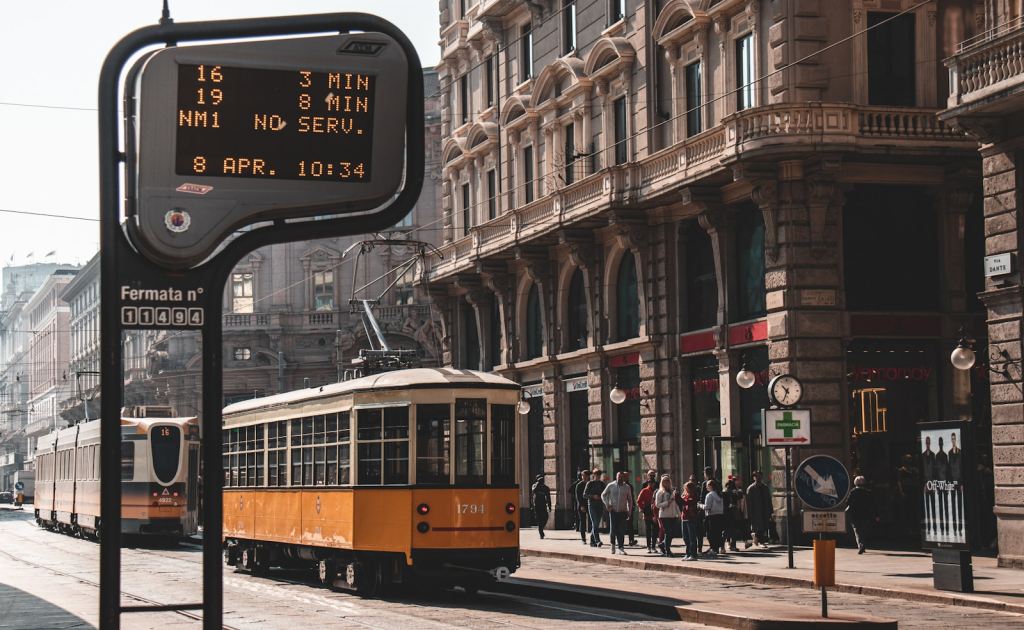
However, public transportation doesn’t always reflect this punctuality. Trains in Milan can experience delays, a stark contrast to the famously timely Swiss rail system. Still, these delays are often anticipated, and the Milanese take them in stride as part of the city's rhythm.
Timing Business Meetings in Milan
In Milan, business meetings are best scheduled away from traditional meal times, allowing space for the cherished Italian food rituals. The Milanese often take a dedicated lunch break between 12:30 pm and 2 pm, so meetings around this time are uncommon unless they include a meal. Similarly, evening meetings should conclude before 6:30 pm to respect family time. Italians place a high value on balancing work with family, so making calls or scheduling meetings in the late evening is generally avoided.
Most business engagements are scheduled mid-morning or mid-afternoon. Early morning meetings at 8 or 9 am are not typical, as Milanese professionals may prefer to start a bit later. When arranging a meeting, it’s polite to keep this in mind and ensure your schedule respects these preferred times.
Other Insights on Time in Milan
- Meal Times as Sacred: Lunch and dinner times are more than just mealtime; they are a chance to pause, connect, and enjoy good food. Lunch is usually from 12:30 pm to 2 pm, while dinner often starts around 8 pm or later. Avoid scheduling activities during these times unless they involve dining together.
- Aperitivo Culture: Milan is famous for its aperitivo, a pre-dinner tradition enjoyed between 6 pm and 8 pm. It’s a time to unwind and socialize over drinks and small bites. This can serve as an informal meeting setting if you’re looking to connect with colleagues or friends in a relaxed atmosphere.
- Weekend Rhythm: For many Milanese, weekends are reserved for family, friends, and leisure. If you’re arranging business or personal engagements, keep in mind that Saturday and Sunday are often set aside for relaxation and personal time, with Sunday in particular being seen as a day for family.
In Milan, time is more than a clock ticking—it’s a structured yet cherished element of daily life, balancing productivity and family values. The city’s rhythm reflects this balance, ensuring work remains efficient and purposeful, while family and personal time are equally respected.
Subscribe to our Free Newsletter
Subscribe to get the latest news, updates, and invitations.
Discover more from MilanoStyle.com
Subscribe to get the latest posts sent to your email.
