

Swimwear design has changed significantly over time. Earlier designs often followed social expectations about modesty rather than focusing on comfort or personal preference, but modern designers now approach swimwear with very different priorities. Many designers concentrate on aesthetics while also considering body positivity, inclusivity, practicality, and environmental responsibility. And the swimwear world is still changing every day! Let’s take a look at what modern designers are doing differently with swimwear.

Sustainable fashion taking center stage
Sustainability now influences many areas of fashion, including swimwear. Designers respond to environmental concerns by experimenting with recycled materials and lower-impact production methods. Once, swimsuits were made with little regard for the environment (or even for comfort), but a good modern ladies' bathing suit may well be made from recycled polyester, regenerated nylon, or reclaimed fishing nets. And, best of all, it’ll often be more comfortable and stylish than less sustainable alternatives! Sustainable fashion technology has come a very long way in the past few years.
Design teams are also exploring ways to reduce waste during manufacturing. Fabric selection, cutting methods, and sourcing decisions can all affect environmental impact.
Empathy-driven design and inclusive sizing
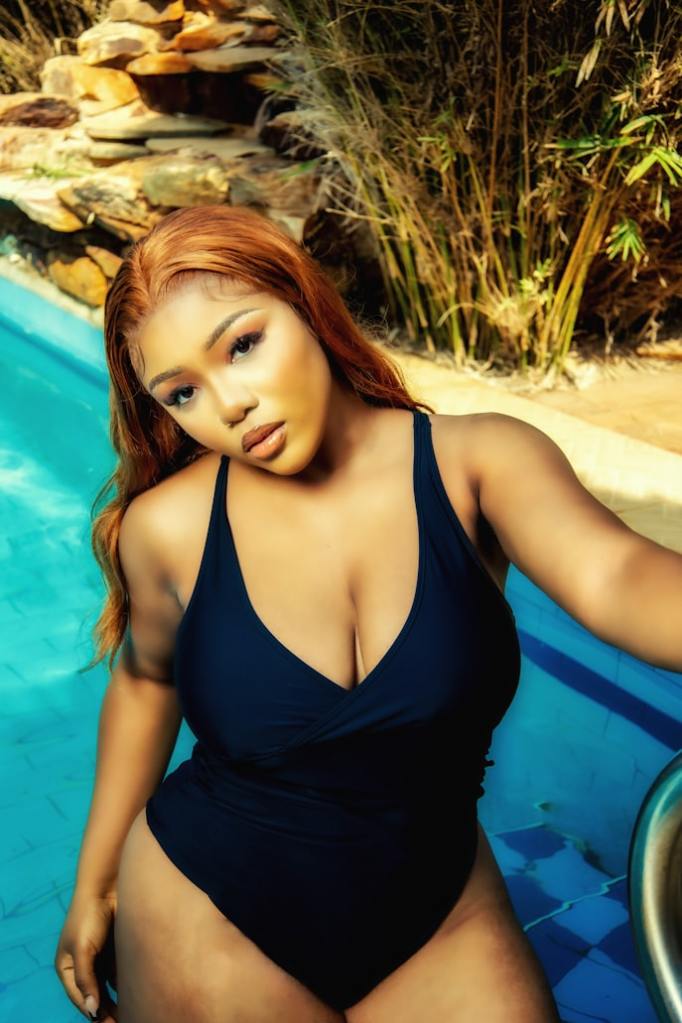
Designers increasingly address body diversity when creating swimwear collections. Earlier fashion cycles often promoted narrow beauty standards, but current design work often incorporates broader sizing and varied cuts. You can now find swimwear options designed for many body proportions and personal preferences. High-waisted bikinis, tankinis, swim dresses, and other variations are all now available in a much larger range of sizes and shapes.
Technological developments in materials and construction
Material innovation also influences modern swimwear design. Designers experiment with fabrics that can recover repeatedly and efficiently after lots of stretching and water exposure. That kind of durability is important for dedicated swimmers. Notably, some modern fabrics also include ultraviolet protection, helping reduce sun exposure during outdoor use.
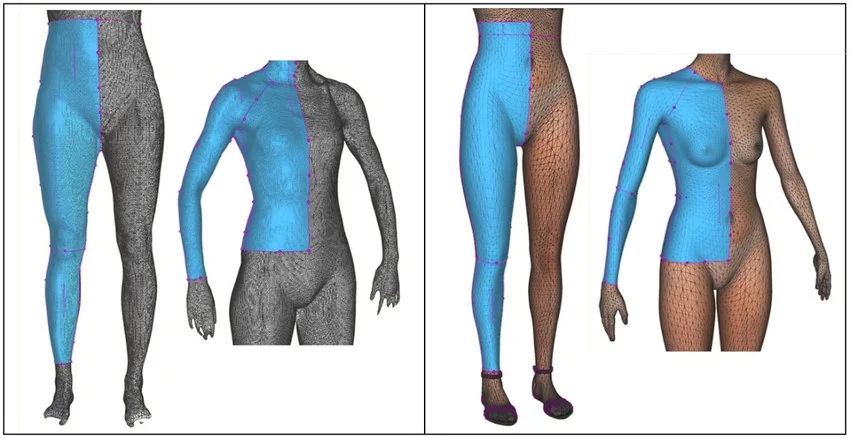
Designers also experiment with digital body scanning and 3D modeling during product development. These tools allow design teams to test fit and proportions before producing physical samples. Some manufacturers even now use 3D printing for prototype development during the design process.
This kind of technology also allows for reversible designs, which help people to switch up their vacation look without crowding out their suitcase.
Fashion and function together
Earlier swimwear categories often separated fashion-oriented pieces from performance-focused suits. Designers now experiment with designs that combine visual style with practical performance.
Athletic-inspired swimwear illustrates this shift. Designers build pieces that function well for swimming while still working in relaxed beach or pool settings. These designs often incorporate supportive construction and visual styling suited to leisure environments.
Conclusion
Modern swimwear design reflects several shifts within the broader fashion industry. Designers experiment with recycled materials, broader sizing ranges, new manufacturing tools, and styles that combine fashion with function. These changes illustrate how swimwear design continues to evolve as designers explore new materials, technologies, and aesthetic influences.
Featured image: Photo by Engin Akyurt /Unsplash
Subscribe to our Free Newsletter
Subscribe to get the latest news, updates, and invitations.
Discover more from MilanoStyle.com
Subscribe to get the latest posts sent to your email.
