

As the global travel industry evolves, new mobility choices are emerging that challenge the dominance of the low-cost airline model. The 2025 American Express Global Travel Trends Report highlights a growing desire among travelers for more meaningful, immersive journeys over pure speed. In that light, luxury intercity buses — “limo-buses” and high-end coaches — are carving out a niche that fuses comfort, style, and sustainability.

A Shift in Travel Preferences
In Italy and across Europe, city-to-city luxury bus travel is emerging as one of the most interesting travel trends of the year. Once associated with economy tours and student trips, long-distance coaches have been reborn in the premium segment. Companies such as Moveolux, Transervice Limousine, and OsaBus are setting new standards by combining the sophistication of private car service with the convenience of scheduled ground travel.
Moveolux, based in Milan, is at the forefront of this evolution, offering tailor-made journeys on luxury coaches equipped with leather interiors, onboard refreshments, and Wi-Fi connectivity. Transervice Limousine’s fleet features Mercedes-based coaches with a maximum of nineteen plush seats, ensuring both privacy and space. Meanwhile, OsaBus provides charter options for small groups and families, emphasizing comfort and service quality. Even mainstream operators like FlixBus have introduced upgraded “premium” categories to meet growing demand for luxury on the road.

The Comfort Factor: Longer, but Worth the Time
Flying may still be the fastest option, but many travelers are questioning whether it remains the most pleasant. With airport queues, security checks, and delays, the convenience of air travel has faded for short-haul routes. A luxury coach, departing directly from city centers, eliminates many of these inconveniences. The journey may take longer, yet passengers gain something precious: time to relax, work, or simply enjoy the view.
The interiors of modern limo-buses resemble boutique lounges more than traditional coaches. Oversized seats, spacious aisles, quiet cabins, and personalized service create an atmosphere closer to a private jet than public transport. In Italy, where every highway reveals a tapestry of vineyards, lakes, and medieval towns, the slower pace transforms travel into part of the experience itself.
Sustainability and Innovation
Another reason luxury buses are trending is sustainability. A new wave of hybrid and electric coaches is proving that comfort and environmental awareness can coexist. Studies show that long-distance buses can reduce carbon emissions by up to 83 percent compared with flying, depending on the vehicle type and occupancy rate.
Hybrid buses are already cutting emissions across Italy’s major cities, while fully electric coaches are beginning to enter service. Their environmental advantage depends on how the electricity is produced, yet the shift marks undeniable progress toward greener mobility. Considering the growing number of travelers who factor sustainability into their purchasing choices, this evolution aligns perfectly with the travel trends highlighted by American Express: luxury that feels good, and does good.
Italy’s Luxury Bus Routes
Italy’s geography lends itself naturally to overland travel. Distances between major destinations are short, and the scenery along the way is enchanting. Routes such as Milan to Venice, Florence to Rome, or Turin to Bologna are ideal for high-end coach travel, while transfers between Milan and Lake Como or Lake Garda have become increasingly popular among international visitors.
In the south, routes connecting Rome to Naples or the Amalfi Coast appeal to travelers who prefer to enjoy the journey rather than endure the stress of airports. Many luxury services offer bespoke itineraries that include scenic detours, culinary stops, and overnight stays in countryside villas. These tailor-made routes appeal to private groups, corporate travelers, and high-end tourists seeking exclusivity without excess.
Advantages and Drawbacks
Luxury bus travel offers undeniable advantages. It is more sustainable, more spacious, and far less complicated than flying. City-center departures mean no transfers or long waits, and generous luggage policies appeal to travelers who shop or pack extensively. Above all, the experience feels human — one can see the landscape shift, savor regional changes, and arrive directly in the heart of a destination.
The drawbacks are primarily temporal. Even with perfect conditions, a coach takes longer than a plane. Traffic congestion, rest stops, and driver changes can occasionally disrupt timing. For very long distances, flights or high-speed trains remain more practical. Still, for journeys of two to six hours, the balance between comfort and time increasingly favors the road.
Here’s a comparative breakdown:
| Advantages | Disadvantages |
|---|---|
| Lower carbon footprint (especially vs air) | Longer travel time; may be less practical for very long distances |
| Comfort, amenities, and privacy | Possibility of highway fatigue, rest stops, driver changes |
| City-centre to city-centre boarding (no remote airport) | Traffic, road congestion or delays can erode schedule reliability |
| Scenic, gradual transition of landscape | Limited network compared with flights or trains in some regions |
| Flexibility in routing, stopovers, custom charters | Less frequent or numerous departures than low-cost airlines |
| No baggage check-in hassle; more generous luggage policies | Infrastructure costs for luxury / alternative propulsion buses are high |
| Lower total overhead cost (airport fees, security, ground transfers) | Luxury bus may still be premium-priced and not always cheaper than flights |
For the discerning traveller who values the journey as much as the destination, those trade-offs may be well worth accepting.
The Future of Luxury Ground Travel
Luxury bus travel represents more than a niche; it reflects a cultural shift in how people wish to move through the world. The travel trends of 2025 suggest that travelers are ready to trade haste for harmony, and efficiency for experience. As hybrid and electric fleets expand, the perception of coach travel will continue to evolve — from a budget option to a stylish, sustainable choice for the discerning explorer.
Italy, with its beauty best appreciated at a slower rhythm, is the perfect testing ground. From Milan’s design avenues to Tuscany’s vineyards and the coastlines of Campania, the luxury coach stands as a symbol of a new era in mobility: one that redefines what it means to travel well.

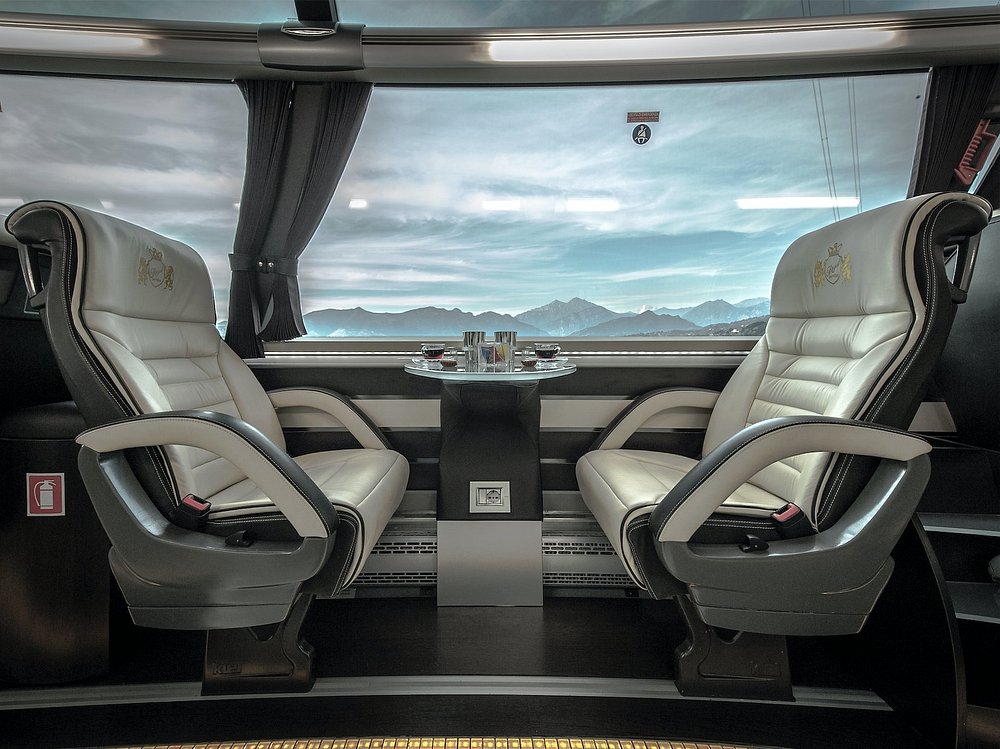
Photos by Moveolux
Subscribe to our Free Newsletter
Subscribe to get the latest news, updates, and invitations.
Discover more from MilanoStyle.com
Subscribe to get the latest posts sent to your email.
