

Italian fashion has always been known for its elegance, but a subtle shift is taking place beyond the glamour of Milan's runways.
Data shows that the Italian fashion industry grew by 3.2% in 2023. It made a sales of €111.7 billion in the financial year. The first eight months saw an increase of 5.1% in exports, primarily in the other countries of the EU and China.
Amid the growth, designers are beginning to focus on a segment that has long been underserved: mature women. The shift reflects a deeper understanding that style and age don't stand in opposition, and that comfort is just as important as aesthetics.
Today's bodywear designers in Italy are crafting garments that respect women's lived experiences. They're moving away from rigid expectations and toward pieces that honor form and function. This change is not driven by trends but by a growing demand for thoughtful, age-aware design.
In this article, we will look at how Italian designers are reimagining fashion for mature women.
The Health Conversation Behind the Designs
This movement in fashion doesn't exist in isolation. It reflects a broader cultural conversation about women's health and the attention it receives, or lack thereof. For example, discussions around issues involving women's genitals and pelvic region were kept private for several years.
Consider the example of endometriosis, which affects around 10% of all reproductive-age women globally. However, you can build an endometriosis-friendly wardrobe by opting for breathable pants, oversized tops, wireless bras, and loose- or fuller-silhouette underwear.
These designs are inspired by common health challenges women face, but cannot discuss openly, such as pelvic organ prolapse (POP). Moreover, the region has a vast variation in treatment and care quality. This can increase the chances of complications arising due to surgical treatments.
Some surgical treatments already have a high complication rate due to the medical devices or procedures used. A prime example is the use of transvaginal mesh. According to TruLaw, it is a surgical product used to treat POP and stress urinary incontinence (SUI). However, it has been associated with numerous complications due to design defects.
Women who got transvaginal mesh implants have complained about erosion into surrounding tissues, chronic pain, infection, etc. Many have even filed lawsuits against manufacturers to seek compensation for their problems. The latest transvaginal mesh lawsuit update shows that settlements worth $8 billion in total have already been made. Similar settlements in the range of $150,000 to $450,000 are expected in 2025.
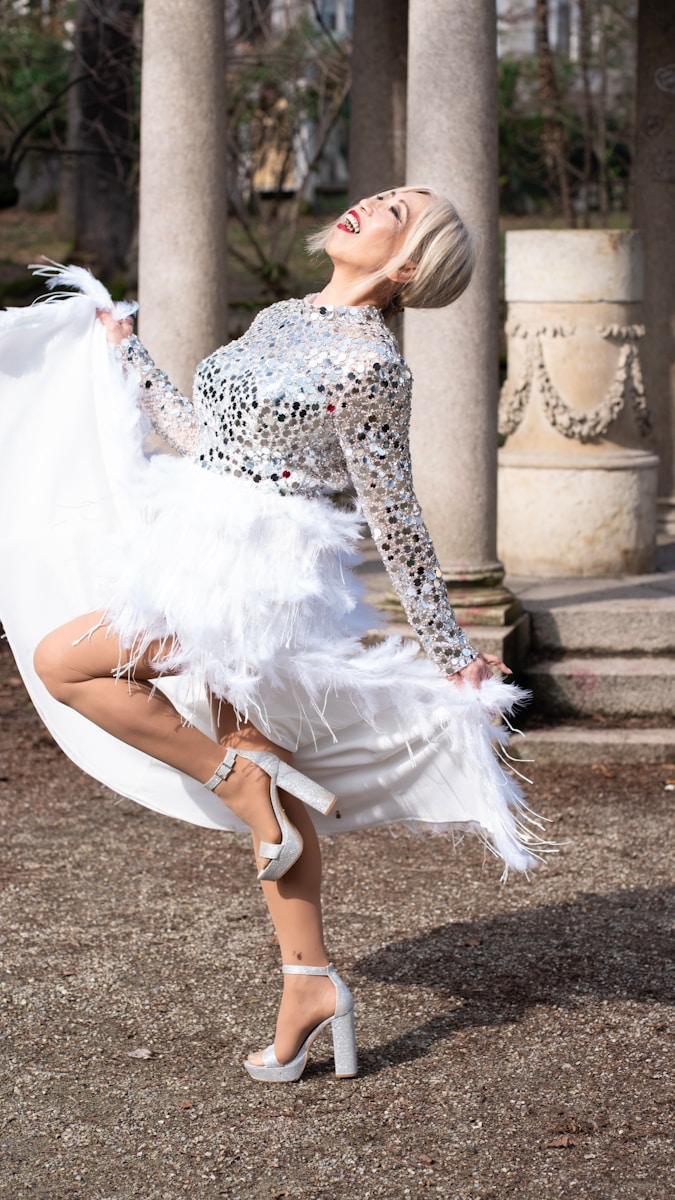
Beauty with Comfort at the Core of Bodywear
For years, bodywear meant control. It meant tight fabrics, stiff boning, and labels that proudly advertised “shaping” as if that were the goal. But that approach feels outdated for many women, especially those past their 40s. Italian designers are now rethinking what beauty means in this context and finding that comfort and beauty are not opposites.
This is more important in Italy, as it is one of the biggest fashion-forward markets worldwide. According to Statista, the demand for nightwear & underwear remained high in Italy and France despite the global economic slowdown. In fact, the no-pants trend gained traction recently due to the fashion shows of popular Italian brands like Miu Miu and Bottega Veneta.
In this trend, people are completely ditching their trousers to go pantless. This trend has not only become popular in Italy but worldwide. Many celebrities, including K-pop star Lisa and pop singer Sabrina Carpenter, wore pantsless outfits for the Met Gala 2025. It's not just the Met Gala; celebrities like Kendall Jenner, Kylie Jenner, Kim Kardashian, Rihanna, and Selena Gomez wore pantsless outfits.
Today's bodywear collections feature materials that move with the body rather than against it. Bamboo blends, stretch cotton, and eco-friendly modals are popular choices because they're soft, allow airflow, and adapt to the body's natural shape. Instead of tight, compressive fits, many designs now offer gentle support, making them more wearable for longer periods without discomfort.
The visual style is also shifting. While lace, mesh, and embellishment still have their place, they're no longer used as the main attraction. Instead, designers focus on balance, using texture and color to enhance rather than distract.
Personal Conversations Drive Innovation
Much of the innovation in Italian fashion comes from personal conversations between designers and the women they serve. This is one of the unique advantages of Italy's fashion culture: many of the best-known brands are still run by small teams. It helps achieve open innovation in Italy's high-end fashion.
Designers talk to women at fittings, in showrooms, and during private consultations. These interactions have shaped an evolving understanding of what mature consumers actually want.
The requests are often simple but meaningful: a bodysuit that doesn't pinch at the hip or clothes that don't roll or dig. These are not luxury demands; they are requests for dignity, ease, and attention to detail. Designers who take these comments seriously are finding that they're building not only better products but stronger relationships.
Some of the most successful new collections have been created through ongoing dialogue with women in their 50s, 60s, and even 70s. These women are confident in their style preferences and clear about what no longer works for their bodies.
They aren't asking to be made younger; they're asking to be seen, heard, and accommodated. That kind of clarity makes innovation easier. Designers don't have to guess, as they can listen to these women and change their designs accordingly.
Frequently Asked Questions
Are Italian fashion brands mostly high-end, or are there affordable options too?
Italy is famous for luxury fashion houses like Gucci and Prada. However, it also has a thriving scene of smaller brands and regional designers offering more affordable, high-quality items. Many of these labels focus on limited runs and slow fashion practices, making them accessible alternatives to the big names.
How do Italian designers approach sustainability?
Sustainability is becoming more prominent in Italian fashion, especially among smaller brands and newer designers. Many use natural or recycled materials, reduce waste through limited production, and focus on long-lasting design. Italy's strong history of artisanal production also aligns well with sustainable principles.
How do Italian designers gather feedback from mature customers during the design process?
Some brands host private fittings or invite long-time clients to preview and test new designs. Others use surveys, in-person events, or even social media to engage directly with their customers. Since many of these companies are small and locally operated, they can act on feedback quickly.
Clothing is evolving, and with it, the way fashion interacts with aging. In Italy, the shift is happening quietly but meaningfully. The new looks are not about hiding, shaping, or compensating. They reflect the reality of the body and offer support where it's needed, both physically and emotionally.
This era of design doesn't chase youth; it embraces experience. It respects that women change over time and that those changes are not flaws to be corrected but truths to be acknowledged. The best Italian designers are beginning to understand that beauty is not tied to a number or a size. It lives in how a garment feels at the end of a long day.
Subscribe to our Free Newsletter
Subscribe to get the latest news, updates, and invitations.
Discover more from MilanoStyle.com
Subscribe to get the latest posts sent to your email.
