

The travel industry has undergone a remarkable transformation in recent years, and artificial intelligence sits at the heart of this revolution. From the moment we start planning a trip to the time we return home, AI-powered tools are reshaping every aspect of our journey. These intelligent systems are making travel more personalized, efficient, and accessible than ever before, fundamentally changing how we explore the world.
Smarter Trip Planning at Your Fingertips
Gone are the days of spending hours browsing through countless websites to plan the perfect vacation. AI-powered travel platforms now analyze your preferences, budget, and past travel history to suggest destinations and itineraries tailored specifically to you. These systems learn from millions of data points, including weather patterns, local events, and pricing trends, to recommend the optimal time to visit your dream destination.
Virtual travel assistants can now handle complex queries in natural language, understanding context and nuance in ways that were impossible just a few years ago. Whether you're looking for a family-friendly beach resort or an adventurous mountain retreat, these intelligent systems can narrow down options in seconds, saving travelers valuable time and reducing decision fatigue.

Personalized Recommendations That Actually Work
The integration of AI in travel has revolutionized how we discover new experiences and destinations. Machine learning algorithms analyze your booking history, search patterns, and even social media activity to understand your unique travel style. This deep understanding allows platforms to suggest hotels, restaurants, and activities that align with your specific interests and preferences.
These recommendation engines go beyond simple matching. They consider factors like your typical spending patterns, preferred travel companions, and even the types of photos you tend to share online. The result is a curated selection of options that feels handpicked by someone who truly knows your tastes.
Dynamic Pricing and Cost Optimization
Artificial intelligence has transformed how travelers find the best deals on flights, hotels, and vacation packages. Sophisticated algorithms continuously monitor pricing across thousands of sources, identifying patterns and predicting when prices are likely to drop or increase. This technology empowers travelers to book at the optimal moment, potentially saving hundreds of dollars on a single trip.
Price prediction tools now offer confidence ratings on their recommendations, helping travelers decide whether to book immediately or wait for better rates. Some platforms even offer price freeze options or automatic rebooking if prices drop after your initial purchase, taking the guesswork out of timing your reservations.

Seamless Airport Experiences
Airports worldwide are deploying AI systems to streamline the often stressful travel experience. Facial recognition technology speeds up check-in and security processes, reducing wait times and minimizing physical contact points. Smart baggage handling systems use computer vision to track luggage with unprecedented accuracy, dramatically reducing lost bag incidents.
AI-powered chatbots and information kiosks provide instant assistance to travelers navigating busy terminals. These systems can answer questions in multiple languages, provide real-time gate information, and even suggest the quickest routes through the airport based on current crowd levels.
Real-Time Travel Assistance and Problem Solving
When travel disruptions occur, AI systems spring into action to minimize inconvenience. Intelligent rebooking algorithms can instantly find alternative flights when delays or cancellations happen, often resolving issues before travelers even realize there's a problem. These systems consider multiple factors, including connecting flights, hotel reservations, and traveler preferences, to find the best solution.
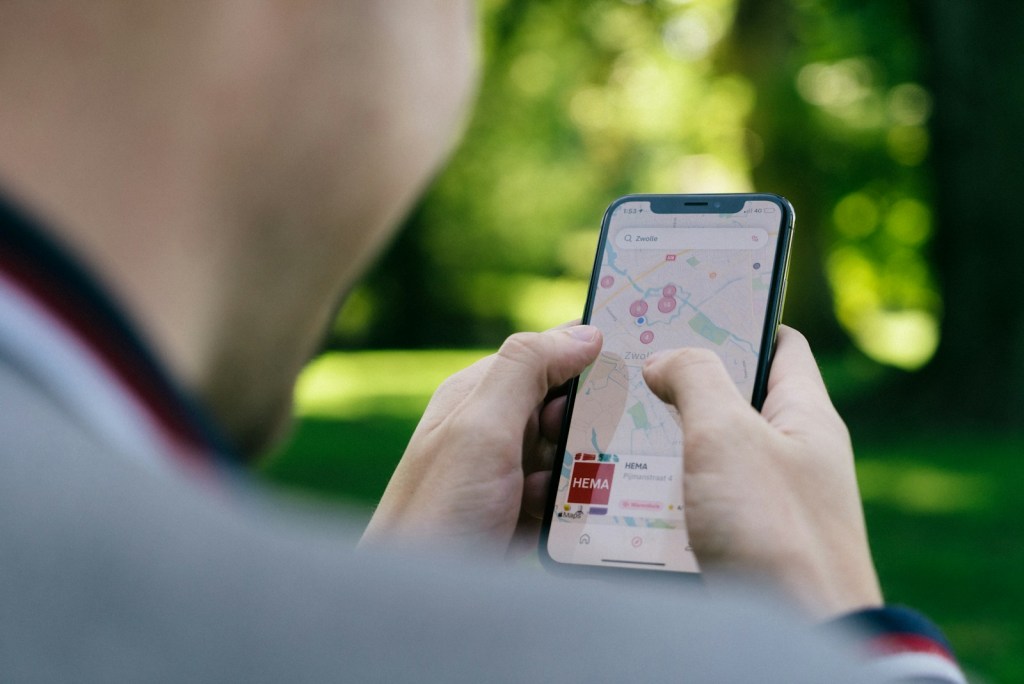
Mobile travel apps equipped with AI capabilities serve as personal concierges throughout your journey. They can translate foreign languages in real-time, suggest nearby restaurants based on your dietary restrictions, and provide navigation assistance in unfamiliar cities.
The Future of Hospitality
Hotels and resorts are embracing artificial intelligence to enhance guest experiences. Smart room systems adjust lighting, temperature, and entertainment options based on individual preferences. AI-powered concierge services provide personalized recommendations for local attractions and can handle requests through voice commands or messaging apps.
These systems also work behind the scenes to optimize hotel operations, predicting demand patterns and adjusting staffing levels accordingly. This operational efficiency often translates to better service and more competitive pricing for guests.
Embracing the AI-Powered Journey
As artificial intelligence continues to evolve, its impact on travel will only deepen. The technology promises to make travel more accessible to people with disabilities, break down language barriers, and create increasingly personalized experiences. While some may worry about losing the human touch in travel, the reality is that AI is freeing up human workers to focus on meaningful interactions and complex problem-solving that requires empathy and creativity.
The future of travel is undeniably intertwined with artificial intelligence, and early adopters are already reaping the benefits of smarter, more efficient journeys. As these technologies become more sophisticated and widespread, traveling will become less about logistics and more about the experiences that make each journey memorable.
Feature image AI Generated with Chatgpt
Subscribe to our Free Newsletter
Subscribe to get the latest news, updates, and invitations.
Discover more from MilanoStyle.com
Subscribe to get the latest posts sent to your email.
