

Eco-friendly innovations are transforming home design, offering sustainable solutions that benefit homeowners and the environment.
Explore the latest trends, benefits, and practical steps to revolutionize your home with eco-friendly innovations. Discover ways to make a difference in your living space and the planet.
Eco-Friendly Innovations in Home Design
An eco-friendly home prioritizes sustainability, energy efficiency, and minimal environmental impact. These homes incorporate several key characteristics that set them apart from traditional residences.
Renewable Energy
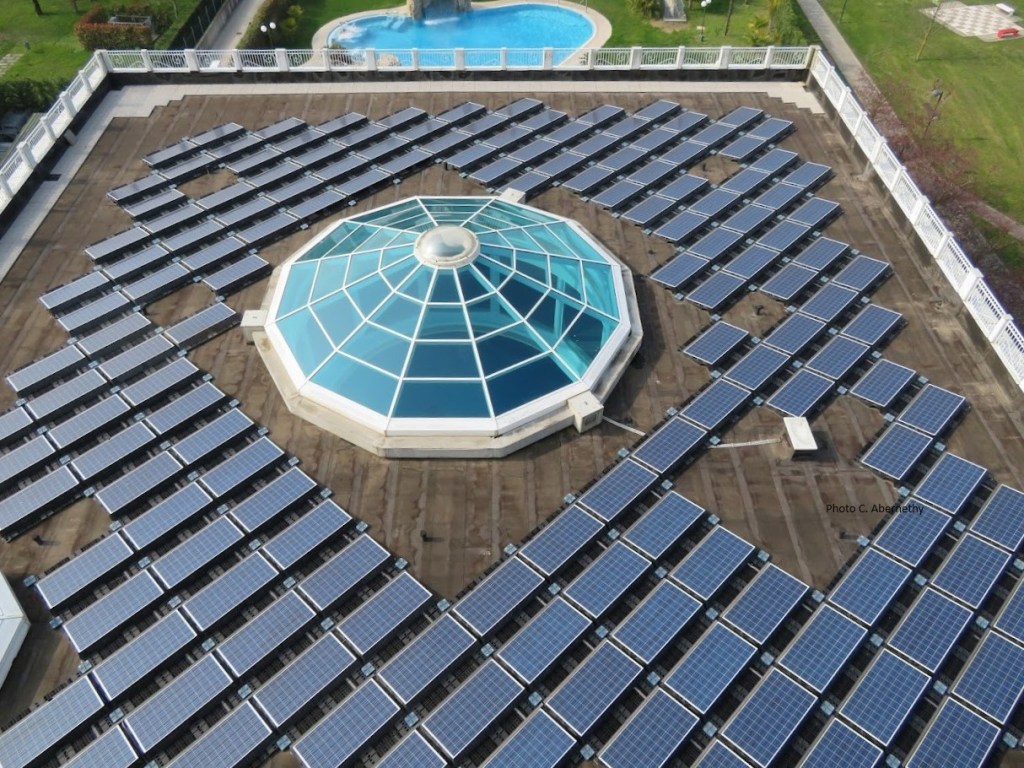
Incorporating renewable energy sources like photovoltaic systems, wind turbines, or geothermal systems is a hallmark of eco-friendly homes. These technologies reduce reliance on fossil fuels, leading to significant cost savings over time.
Energy Efficiency
Eco-friendly homes use energy-efficient appliances, lighting, and Heating, Ventilation, and Air Conditioning (HVAC) systems. They often feature high-performance insulation and windows that reduce energy loss, ensuring the house maintains a consistent temperature with less energy consumption.
Sustainable Materials
Builders of eco-friendly homes opt for materials that are renewable, recycled, or have a minimal environmental impact. For example, bamboo flooring, reclaimed wood, and recycled metal are commonly used.
Incorporating versatile furniture crafted from sustainable sources can enhance the home's eco-friendly design.
Smart Home Technology
Advanced home automation systems optimize energy use by controlling lighting, heating, and cooling based on occupancy and time of day.
Water Conservation
These homes integrate water-saving fixtures such as low-flow toilets, faucets, and showerheads.
Many also utilize rainwater harvesting systems and greywater recycling to reduce water waste and promote efficient use of resources.
Indoor Air Quality
Eco-friendly homes prioritize the health of their occupants by using non-toxic, low-VOC (volatile organic compounds) paints, finishes, and building materials.
Proper ventilation systems and air purifiers enhance indoor air quality, reducing allergens and pollutants.
Waste Reduction
During construction, eco-friendly homes aim to minimize waste through careful planning and the use of prefabricated components. Post-construction, these homes often include composting systems and recycling stations to manage household waste sustainably.
By integrating these elements, eco-friendly homes reduce impact and create healthier, more efficient living spaces for their occupants.
Green Home Gains

Photo by Wayhomestudio on Freepik.com
Eco-friendly home design offers one of the most immediate financial benefits. Energy-efficient appliances, superior insulation, and renewable energy sources like solar panels can dramatically slash your electricity and heating costs.
While the initial investment in eco-friendly features might be higher, the long-term savings are substantial. Sustainable materials and energy-efficient systems often have longer lifespans and require less maintenance.
Moreover, many governments and local authorities offer financial incentives to encourage eco-friendly home improvements. These can include tax credits, rebates, and grants for installing renewable energy systems, energy-efficient appliances, and other sustainable features.
By focusing on these financial benefits, homeowners can make informed decisions that contribute to a more sustainable environment and provide significant economic advantages.
| Fact: Homes with eco-friendly features often have higher property values and can sell faster than traditional homes. |
Eco Homes Boost Health
Eco-friendly homes significantly enhance health and well-being by improving indoor air quality, reducing exposure to harmful chemicals, and maximizing natural light.
These homes prioritize ventilation systems that filter out pollutants, ensuring that residents breathe cleaner air.
By using non-toxic building materials, eco-friendly homes minimize the presence of harmful substances, which can cause respiratory issues and other health problems.
Natural lighting plays an important role in eco-friendly home design. Large windows, skylights, and open floor plans allow more sunlight to enter living spaces, which reduces the need for artificial lighting.
Eco-friendly homes often incorporate biophilic design principles, which connect residents with nature. This can include indoor plants, green walls, and natural materials like wood and stone.
These elements create a calming environment, reduce stress, and enhance cognitive function.
Summary
Eco-friendly innovations in home design offer significant benefits, from financial savings to improved health and well-being.
Embrace these eco-friendly practices to create a more sustainable, efficient, and healthy living environment.
Featured image Houses in Bologna, Italy by Claudio Caridi on Vecteezy
Subscribe to our Free Newsletter
Subscribe to get the latest news, updates, and invitations.
Discover more from MilanoStyle.com
Subscribe to get the latest posts sent to your email.
