

The Galapagos Islands stand as one of Earth's most precious natural laboratories, where unique species evolved in isolation for millions of years. As tourism to this UNESCO World Heritage Site continues to grow, the responsibility falls on each visitor to minimize their environmental footprint while maximizing conservation efforts. Whether you're planning your first visit or returning to these enchanting islands, adopting sustainable travel practices ensures that future generations can experience the same wonder that awaits you today.
Choose Certified Eco-Friendly Accommodations and Tour Operators
The foundation of sustainable travel in the Galapagos begins with selecting the right tour operator. Look for companies that hold certifications from recognized environmental organizations and demonstrate genuine commitment to conservation. Many operators offering a Galapagos luxury cruise have invested heavily in sustainable technologies, including advanced wastewater treatment systems, solar panels, and fuel-efficient engines.
Before booking, research how tour companies contribute to local communities and conservation projects. The best operators employ local naturalist guides, source food from Galapagos farmers when possible, and actively participate in scientific research and habitat restoration programs. This approach ensures your tourism dollars directly support both the islands' ecosystem and the people who call them home.
Respect Wildlife Distances and Behavioral Guidelines
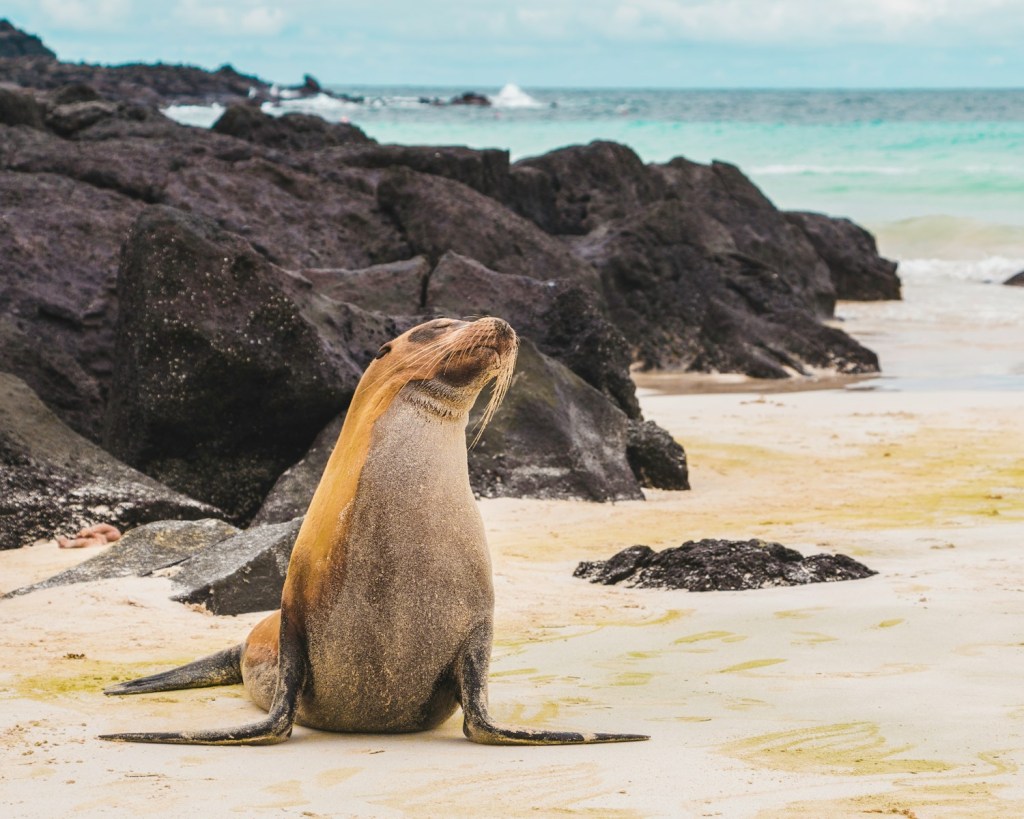
The Galapagos National Park maintains strict regulations regarding wildlife interactions, and these rules exist for excellent reasons. Maintaining a minimum distance of six feet from animals prevents stress to wildlife and protects both visitors and creatures from potential disease transmission. Remember that these animals have no natural fear of humans, which makes them particularly vulnerable to disturbance.
Never attempt to touch, feed, or make loud noises around wildlife, regardless of how tame they appear. Flash photography can startle nesting birds and sea lions, so adjust your camera settings accordingly. When snorkeling, resist the temptation to chase sea turtles or sea lions, as this exhausts them and disrupts their natural behaviors. Your patience will be rewarded with more authentic wildlife encounters when animals approach you on their own terms.
Practice Leave No Trace Principles
The fragile Galapagos ecosystem cannot tolerate contamination from outside species or materials. Before arriving, thoroughly clean your shoes, camera equipment, and luggage to prevent introducing seeds, insects, or pathogens. Once on the islands, stay strictly on marked trails to avoid crushing native plants or disturbing nesting sites.
Pack out everything you bring to visitor sites, including organic waste like fruit peels and nutshells. Even biodegradable items can introduce non-native species or disrupt the islands' delicate nutrient balance. Use reef-safe sunscreen to protect marine environments, and avoid single-use plastics by bringing reusable water bottles, bags, and containers. These small actions collectively make an enormous difference in preserving the archipelago's pristine condition.
Support Local Conservation Through Mindful Spending
Your purchasing decisions during your visit can significantly impact conservation efforts and local livelihoods. Choose restaurants and shops owned by Galapagos residents rather than mainland chains. Purchase handicrafts made by local artisans using sustainable materials, avoiding products made from protected species like black coral or turtle shells.
Consider making direct donations to organizations working on critical conservation projects, such as invasive species eradication, marine protection, or giant tortoise breeding programs. Many visitor centers and research stations welcome contributions that fund ongoing scientific work. Participating in volunteer opportunities, when available, provides hands-on experience while contributing meaningful labor to conservation initiatives.
Minimize Your Carbon Footprint During Island Visits
Transportation represents one of the largest environmental impacts of Galapagos tourism. Once you've arrived, choose human-powered transportation whenever possible, such as walking, kayaking, or cycling. These options reduce emissions while providing more intimate experiences with the islands' landscapes and wildlife.
Conserve water and electricity during your stay, as both resources are precious and energy-intensive to produce on the islands. Take short showers, reuse towels, and turn off lights and air conditioning when leaving your room. Be mindful of your overall consumption, from food waste to souvenir purchases, recognizing that everything must be imported or disposed of with significant environmental cost.

Conclusion
Sustainable travel in the Galapagos Archipelago isn't merely about following rules; it's about embracing a mindset of respect and stewardship for one of the planet's most extraordinary places. By implementing these five practices, you become an active participant in conservation rather than just a passive observer. The islands have survived millions of years of natural change, but their future now depends on the choices we make as visitors. Your commitment to sustainable travel ensures that the Galapagos will continue inspiring wonder, supporting unique biodiversity, and advancing scientific understanding for generations to come.
Featured Photo by Heidi Bruce on Unsplash
Subscribe to our Free Newsletter
Subscribe to get the latest news, updates, and invitations.
Discover more from MilanoStyle.com
Subscribe to get the latest posts sent to your email.
